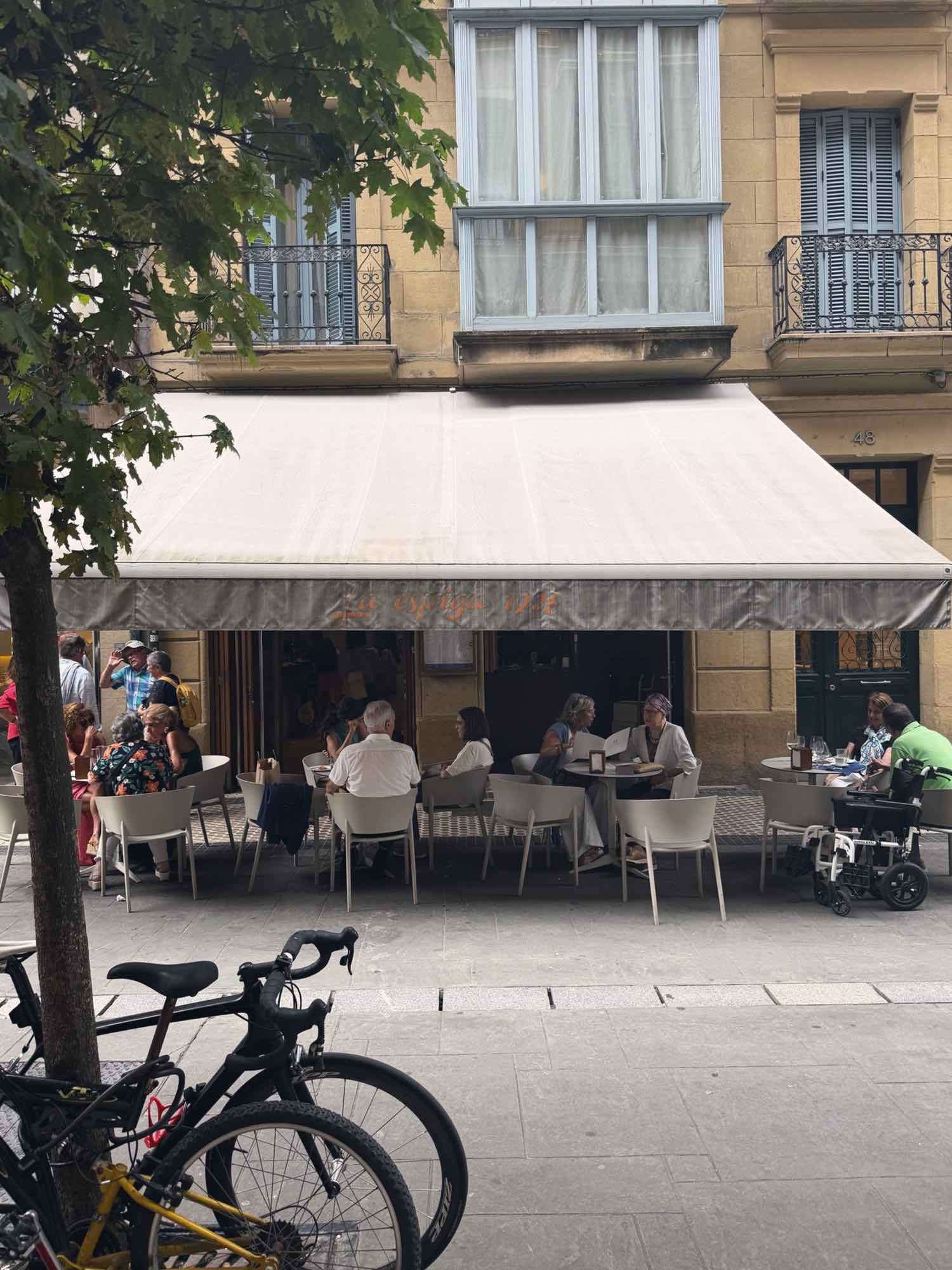
Journal · Spain · Food & Drink
Pintxos in San Sebastián: how to eat like a local
A counter heaped with bread and anchovies, a blackboard of hot dishes, a small glass of txakoli and a street full of people doing exactly the same thing. This is how the Old Town eats, and how to join in.
 Thomas Woods, Founder··7 min read
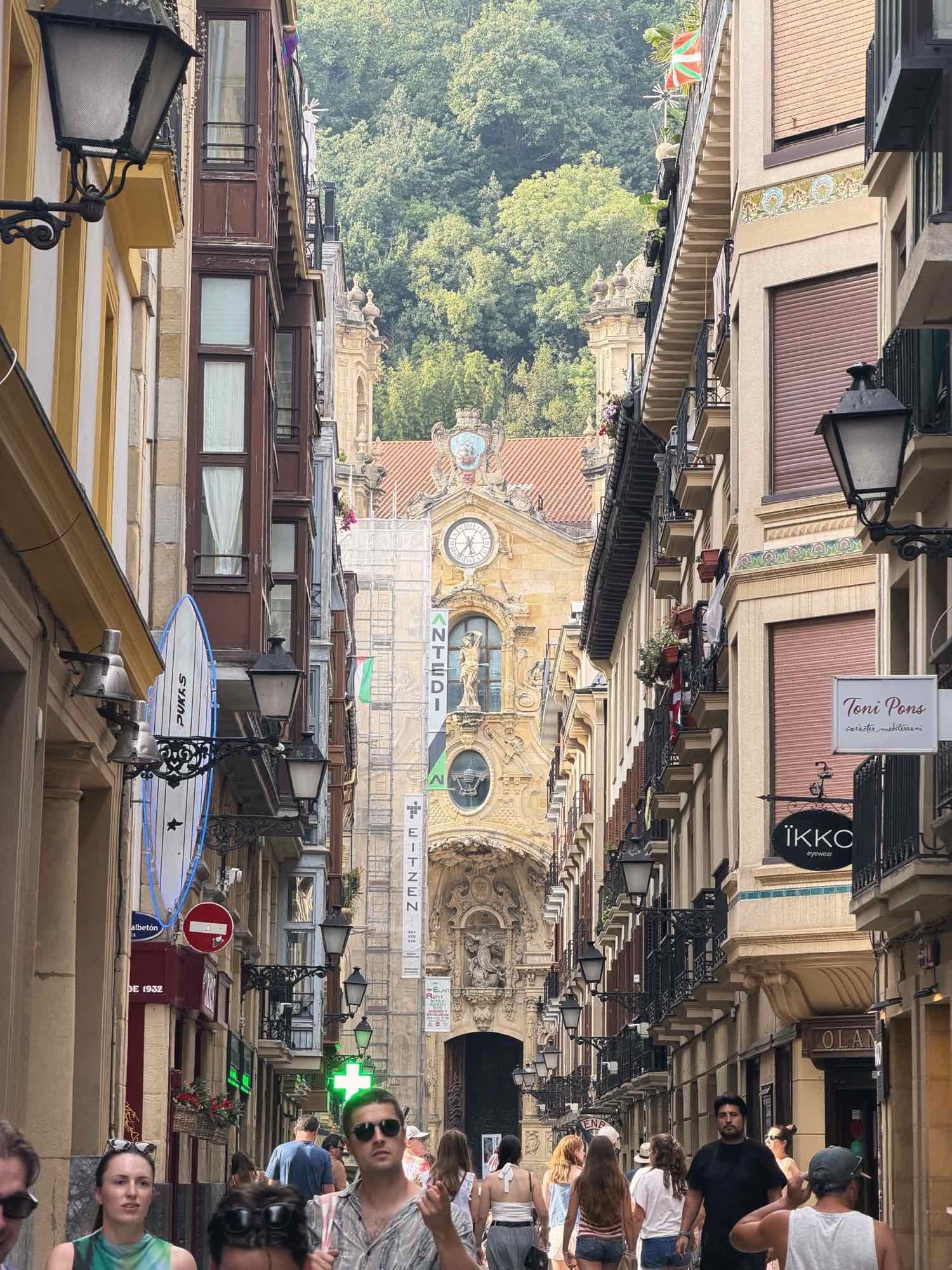
There is no menu to study and no table to book. San Sebastián pintxos are eaten standing up, a bite or two at a time, in one bar and then the next, until the evening has carried you halfway across the Old Town. It is the most sociable way to eat in Europe, and once you understand the rhythm, it is also one of the easiest.
The trouble is that first step through the door. The counter is three deep, everyone seems to know what they are doing, and nobody is handing out instructions. So here they are: how pintxos work, which bars have earned their reputation over decades, and the route we would walk on a first evening.
Why San Sebastián is a food city
Few places take eating as seriously, or as cheerfully. San Sebastián has more Michelin stars per head than almost anywhere on earth, yet the city’s real appetite lives in its bars. Generations of Basque cooks have treated the counter as a stage, and the tradition of the txoko, the private gastronomic society where members cook for one another, means that half the city has opinions about stock and the other half about anchovies.
The result is a scene where a single mouthful can be made with the same care as a tasting menu. You will eat brilliantly here without ever sitting down.
How San Sebastián pintxos work
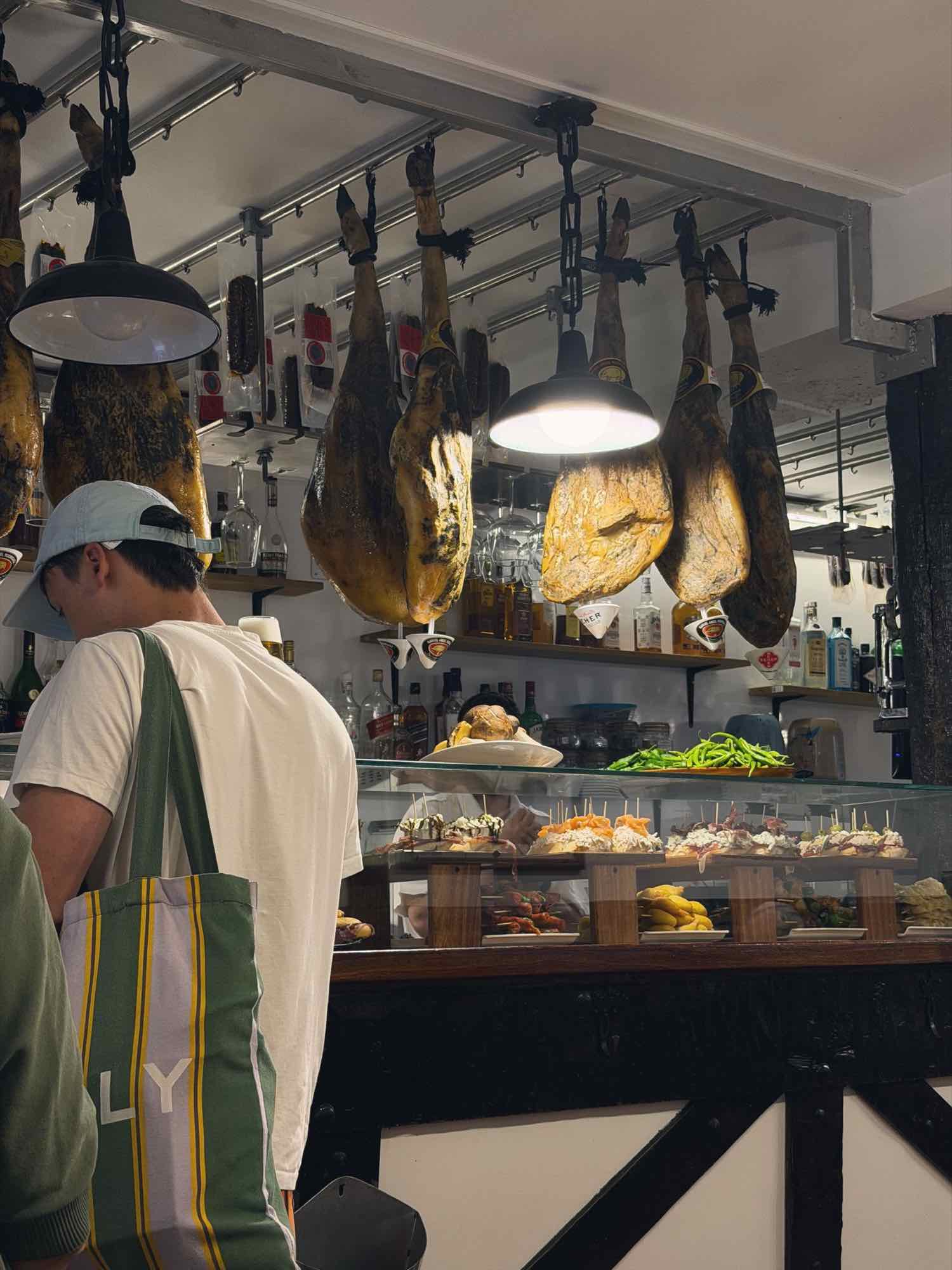
Pintxos come in two forms. The first are the cold ones laid out along the bar: slices of bread topped with anchovies, peppers, cured ham or a spoonful of crab, each one held together with a toothpick. In most bars you can simply ask for what you fancy, or take a plate and help yourself where that is clearly the custom.
The second, and often the better, are the hot pintxos. These are cooked to order and chalked up on a blackboard behind the bar, or listed on a card. Braised cheeks, seared foie, grilled mushrooms, a little risotto. This is where the kitchens show off, and where the regulars order.
The etiquette is simple once you see it in action:
- One or two per bar. Order a speciality, perhaps a second, and a small drink. Then move on. A pintxos crawl is a walk as much as a meal.
- Keep track. Remember what you had. When you are ready to leave, tell the bartender, and pay at the end rather than with each order.
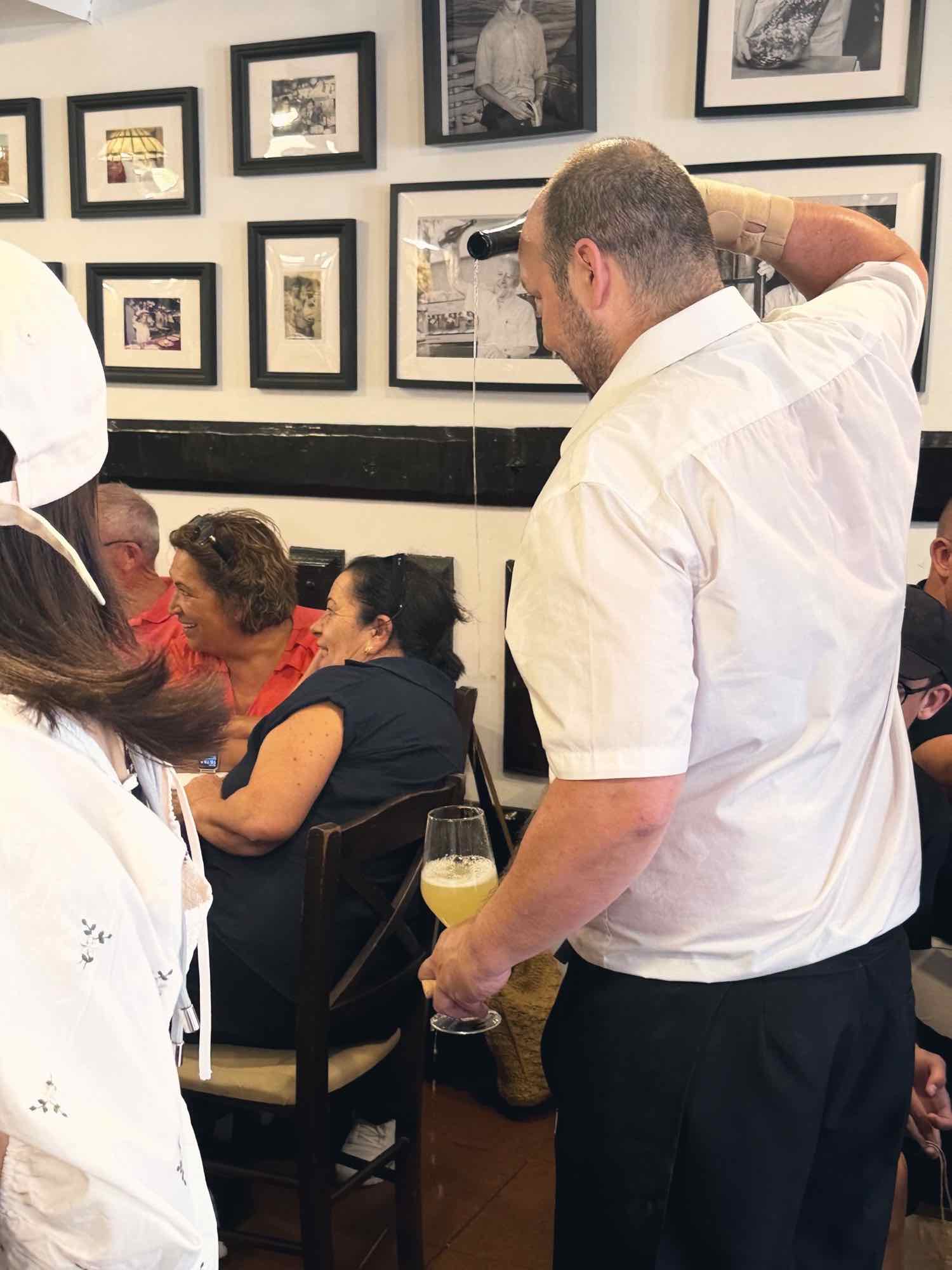
- Keep the glass small. A txakoli, the crisp, lightly sparkling white from the Basque coast, poured from height. A zurito, a short measure of beer. Or a crianza, usually from nearby Rioja.
- Be decisive. Catch an eye, order clearly, and do not apologise for elbowing gently towards the counter. Everyone else is.
| Cold pintxos | Hot pintxos | |
|---|---|---|
| Where you find them | Laid out along the counter | On the blackboard or a card behind the bar |
| How to order | Point, ask, or help yourself where that is the custom | Ask the bartender; cooked to order |
| Typical examples | Gilda, anchovies, ham, peppers on bread | Braised cheek, sirloin, foie, mushrooms |
| Best for | A quick bite with your first drink | The bar’s signature dish |
The gilda: San Sebastián’s first pintxo
If one bite sums up the city, it is the gilda. An olive, a salted anchovy and a few pickled guindilla peppers, threaded on a cocktail stick. That is all. The story goes that it was first assembled in the 1940s at Casa Vallés, a long-standing bar in the city centre, and named after Rita Hayworth’s character in the film Gilda, salty and a little spicy, with a flash of green.
It is the perfect opening move. Sharp and briny, it wakes up the palate and makes a cold glass of txakoli taste even better. Almost every bar in the Old Town makes one, and you will soon find yourself comparing.
The best pintxos bars in San Sebastián’s Old Town
The Parte Vieja is small, a grid of narrow streets between the harbour and the river, and the density of good bars is extraordinary. New places open every year, and some are excellent. These are the long-established names we send our guests to first.
- Gandarias. A classic on Calle 31 de Agosto, famous for its solomillo, a small piece of grilled sirloin on bread. Lively, and usually packed.
- Borda Berri. A tiny bar with a big following, best known for its slow-braised cheek and a rich Idiazabal risotto. Everything worth having is on the blackboard.
- La Cuchara de San Telmo. Tucked behind the San Telmo museum, with no cold counter to speak of. Order hot dishes from the board and wait for them to be cooked.
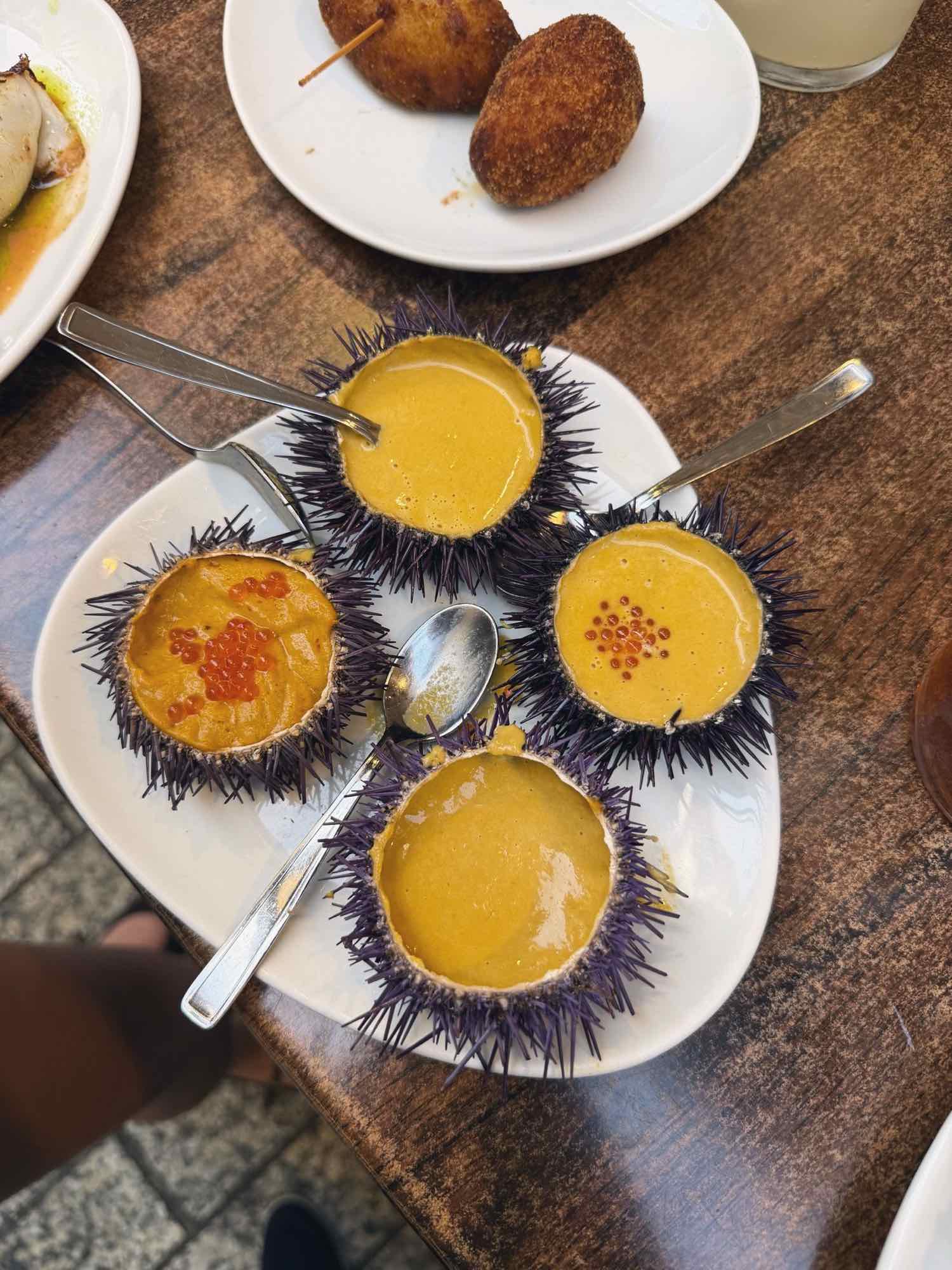
- Bar Sport. On Fermín Calbetón, cheerful, busy and unpretentious, and the place we go for sea urchin. It arrives in the shell, rich and briny, and it is one of the great mouthfuls of the Old Town.
- Goiz Argi. Simple and much loved, with a prawn skewer that has drawn crowds for years.
- Txepetxa. The anchovy specialist. Marinated anchovies served on toast with a range of toppings, some classic, some surprising.
- Ganbara. Famous for wild mushrooms, piled on the counter in season and cooked to order.
- Atari. Facing the steps of the Basilica of Santa María, a good-looking bar with a terrace and one of the best spots for an early drink.
| Bar | Known for | Go for |
|---|---|---|
| Gandarias | Grilled sirloin | A classic first stop |
| Borda Berri | Braised cheek, Idiazabal risotto | Hot pintxos |
| La Cuchara de San Telmo | Dishes cooked to order | A more serious bite |
| Bar Sport | Sea urchin | Something special |
| Txepetxa | Anchovies | Seafood lovers |
| Ganbara | Wild mushrooms | Autumn evenings |
A pintxos crawl through the Parte Vieja
This is the route we often suggest for a first evening. It is a loose plan, not a timetable: skip a bar if it is heaving, and linger if you are happy. Two or three hours is about right.
Stop 1
Santa María
- A glass of txakoli at Atari, facing the basilica
- A gilda to start
Stop 2
Calle 31 de Agosto
- Solomillo at Gandarias
- Something hot from the board at La Cuchara de San Telmo
Stop 3
Fermín Calbetón
- Braised cheek at Borda Berri
- The prawn skewer at Goiz Argi
- Sea urchin at Bar Sport
Stop 4
Towards the harbour
- Anchovies at Txepetxa
- Mushrooms at Ganbara, if in season
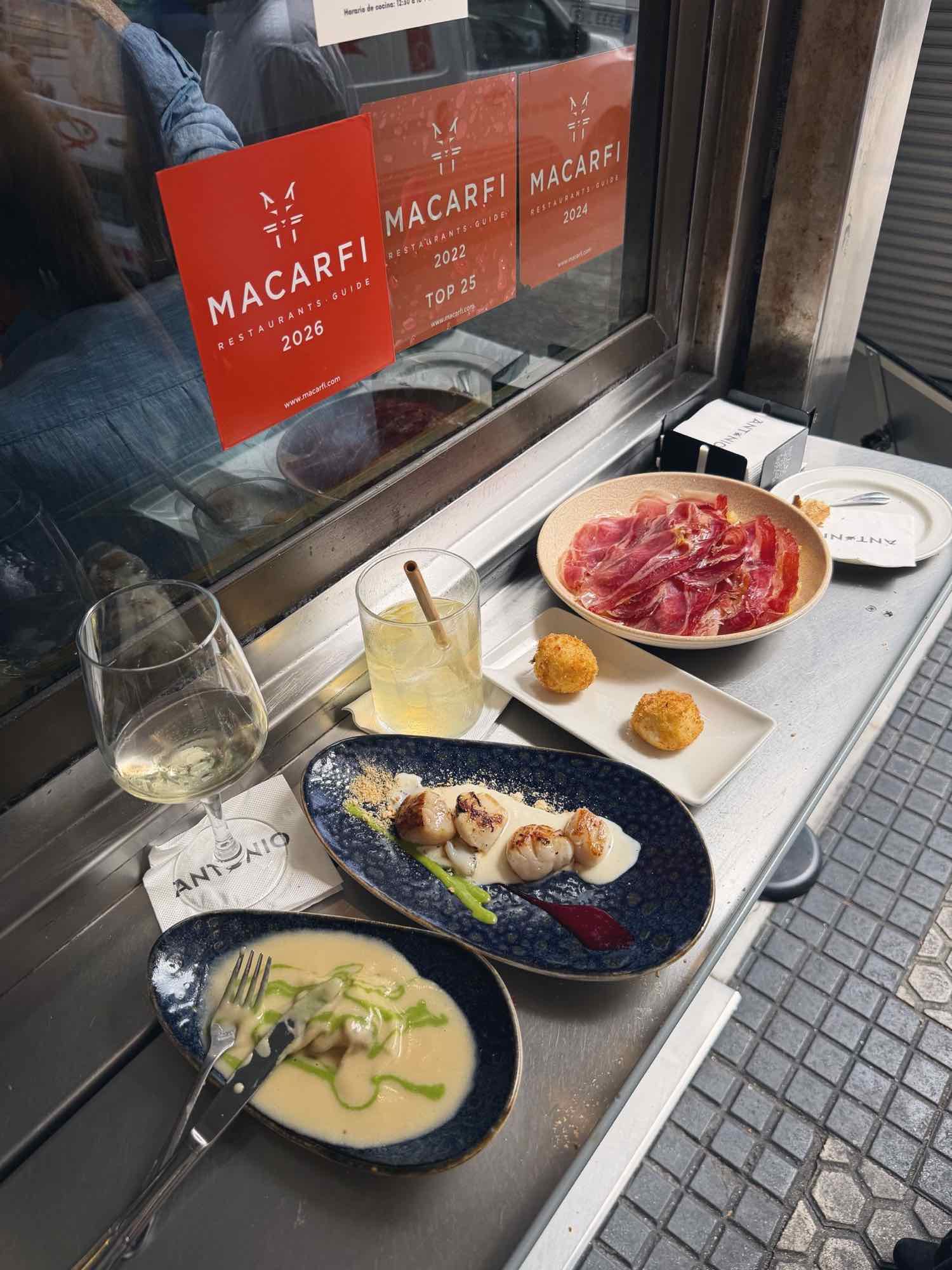
Save a morning for Antonio Bar and its tortilla. It deserves a visit of its own.
Our favourite: Antonio Bar and its tortilla
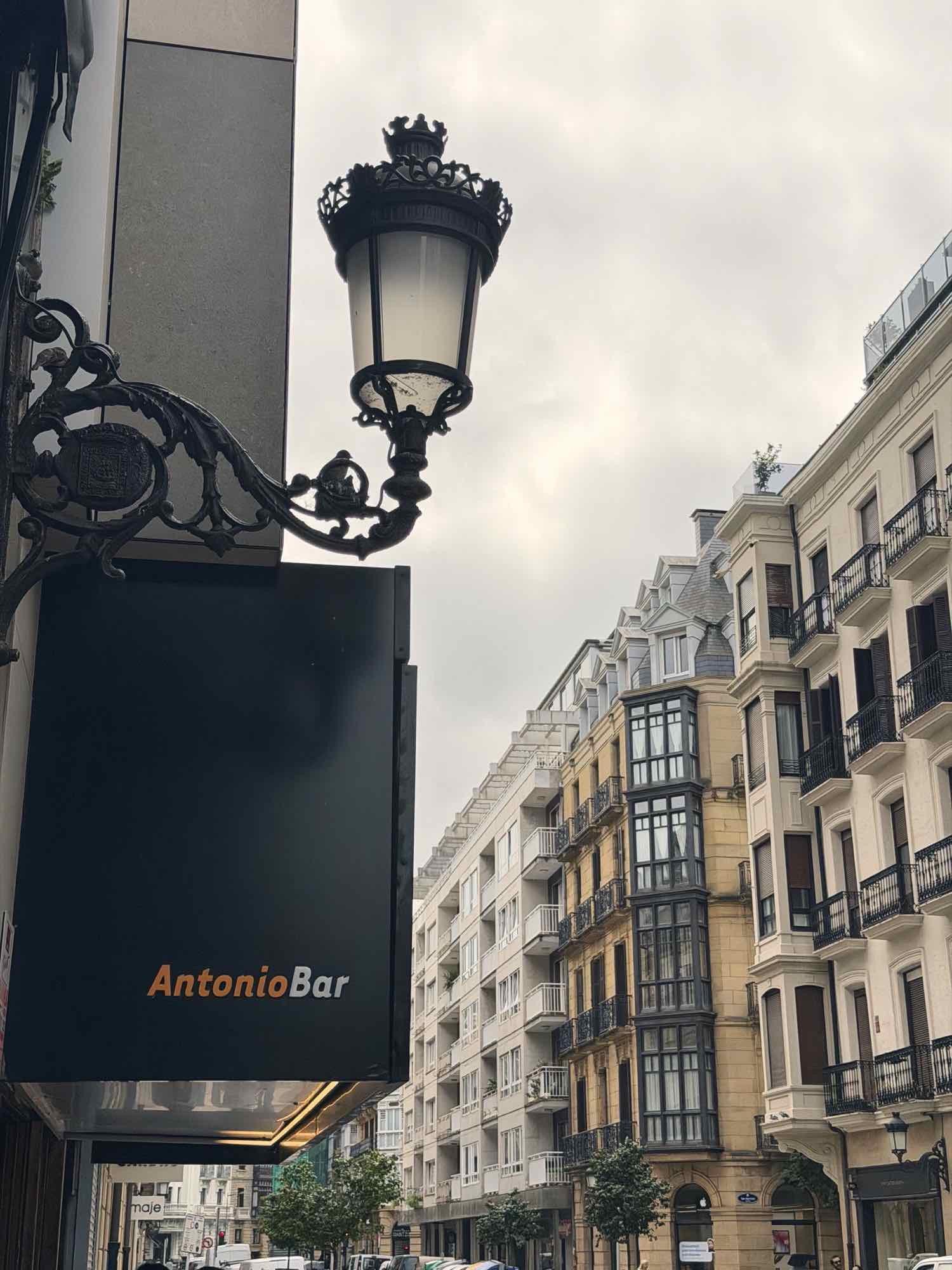
If you ask me for one bar in San Sebastián, it is Antonio Bar. It sits just outside the Old Town, among the grand Belle Époque blocks of the centre, and it is famous above all for one thing: its tortilla.
This is tortilla de patatas made the San Sebastián way, golden on the outside and soft at the heart, and the locals guard it jealously. It is made in batches, and when it is gone, it is gone. So arrive early. Take your slice at the counter with a coffee or a small glass of something cold, and watch the regulars come in, order without a word and leave happy. It is the best start to a day in the city that I know.
Finishing at La Viña
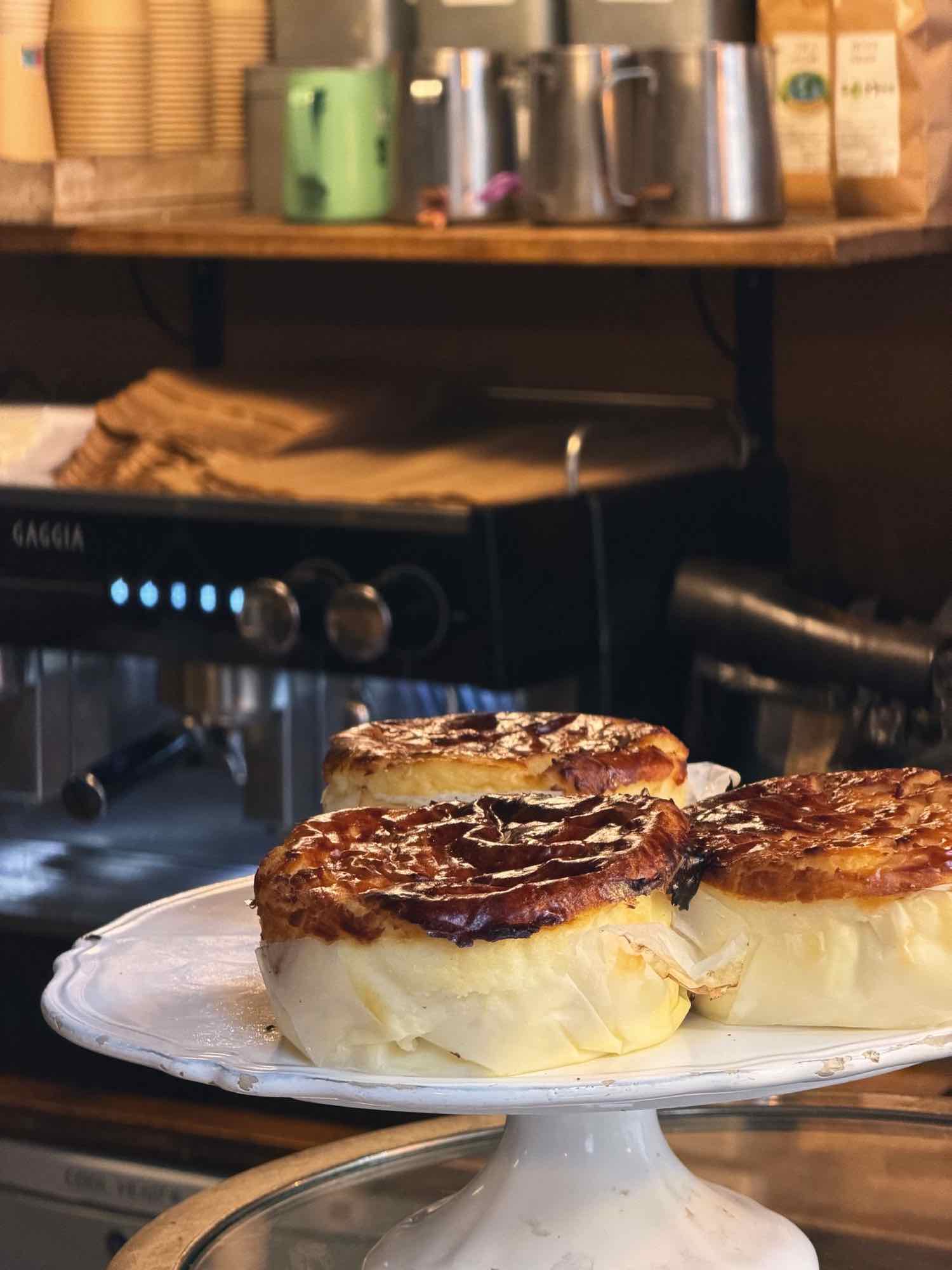
There is only one way to end. La Viña, back on Calle 31 de Agosto, is the bar where burnt Basque cheesecake was born, and a slice at room temperature, dark on top and almost liquid at the centre, is the city’s favourite full stop. We have written about it at length in our guide to the best cheesecake in Europe.
When to go
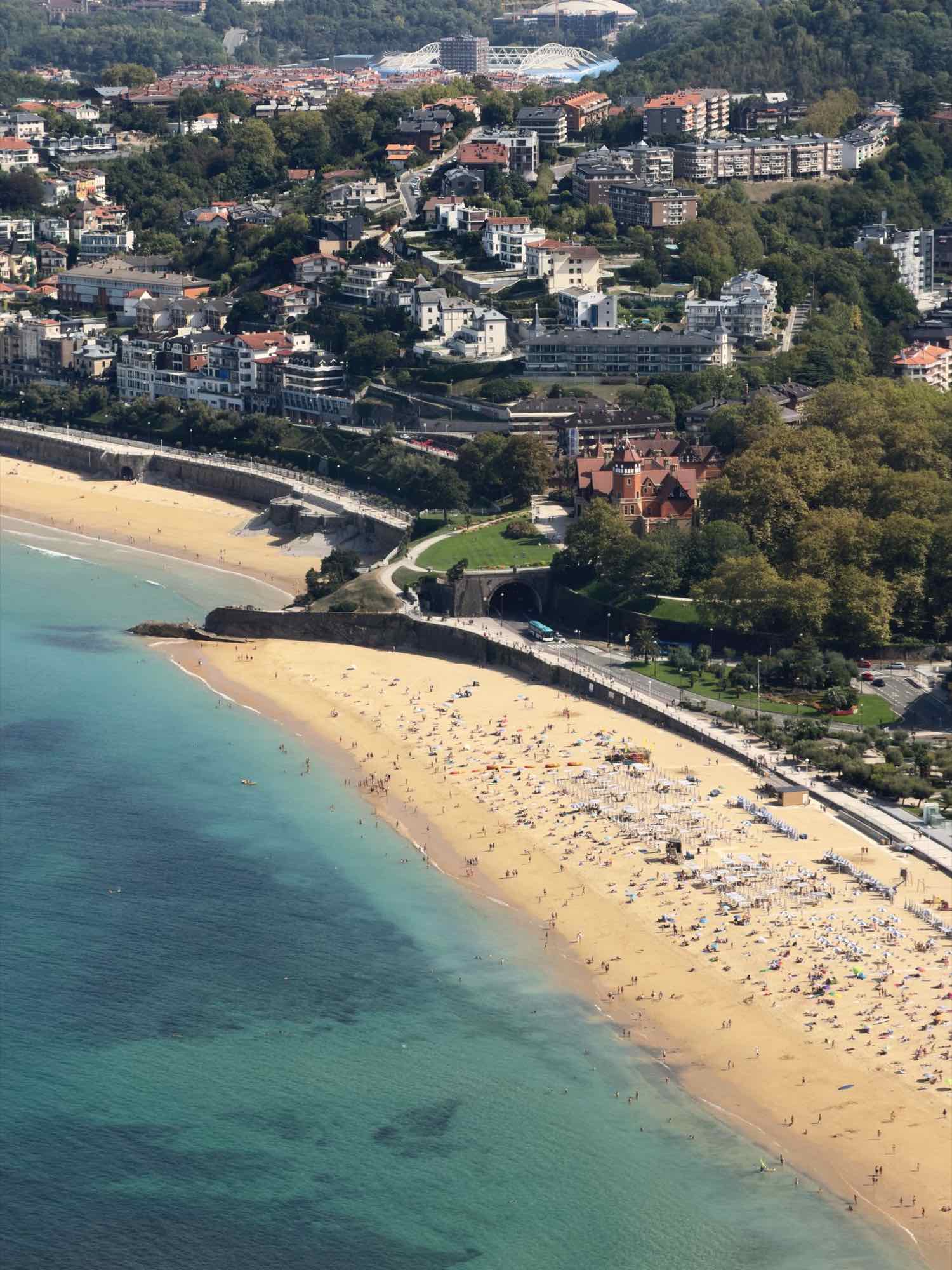
San Sebastián eats late, and in two waves. Lunch tends to run from around one until mid-afternoon, and the evening round usually gets going from about eight, with the busiest stretch later still. Between the two, many kitchens slow down, and some hot pintxos may not be available.
Lunch is the calmer choice for a first visit, with more room at the counter and more patience behind it. Evenings are louder and more fun. Many bars also close for one day a week and for a holiday in quieter months, so it is worth checking before you set your heart on one. As for the season, late spring and September are our favourites: warm enough for the beach, with the city at its most relaxed.
Beyond the Old Town: Gros
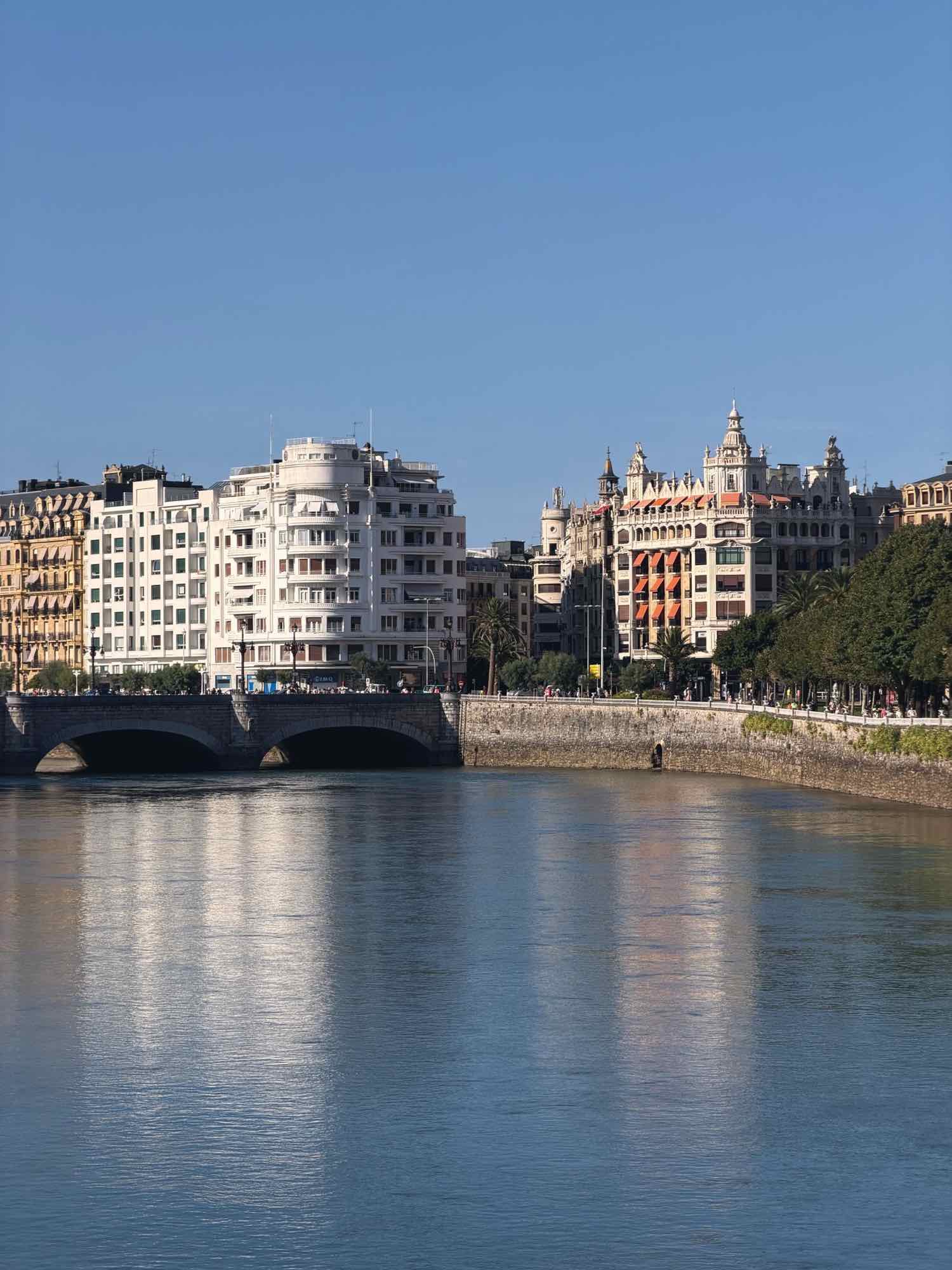
Cross the river Urumea and you reach Gros, the surfers’ neighbourhood behind Zurriola beach. The bars here are just as serious but noticeably less crowded, and the feel is more local. Bar Bergara is the long-standing name, and the streets around it make for an easy second evening when the Parte Vieja feels too full.
How we plan a San Sebastián trip
Pintxos are best enjoyed without logistics on your mind. We arrange a hotel within an easy walk of the Old Town, often on the bay of La Concha, and can introduce a local guide for a first evening, someone who knows the bartenders and which hot pintxo is on form this week. We book the tables that do need booking, from a txakoli winery in Getaria to one of the city’s celebrated restaurants, and leave plenty of time free to wander.
If you are pairing the Basque coast with another part of the Mediterranean, we can do that too. Tell us how you like to travel, and we will take care of the rest.
Frequently asked questions
How do pintxos work in San Sebastián?
You order one or two pintxos and a small drink at the bar, either from the counter or from the blackboard of hot dishes. You tell the bartender what you had and pay when you leave, then move on to the next bar.
What are the best pintxos bars in San Sebastián?
Long-established Old Town favourites include Gandarias, Borda Berri, La Cuchara de San Telmo, Bar Sport, Goiz Argi, Txepetxa and Ganbara. Just outside the Old Town, Antonio Bar is famous for its tortilla. Each is known for a particular speciality, so order that first.
What time do people eat pintxos in San Sebastián?
Lunch usually runs from around one until mid-afternoon, and the evening round typically starts from about eight. Hours vary from bar to bar, and many close one day a week.
What is a gilda pintxo?
A gilda is an olive, an anchovy and pickled guindilla peppers on a cocktail stick. It is said to have been created in San Sebastián in the 1940s and named after Rita Hayworth’s film Gilda.
What should you drink with pintxos?
Locals usually choose a small glass of txakoli, the lightly sparkling Basque white wine, a zurito of beer, or a glass of Rioja crianza.