Journal · Greece · Planning
When to visit the Greek islands: a month-by-month guide
Warm seas, wild flowers, the meltemi and the long gold evenings of September. How the Aegean changes from spring to autumn, and when we would go.
 Thomas Woods, Founder··6 min read
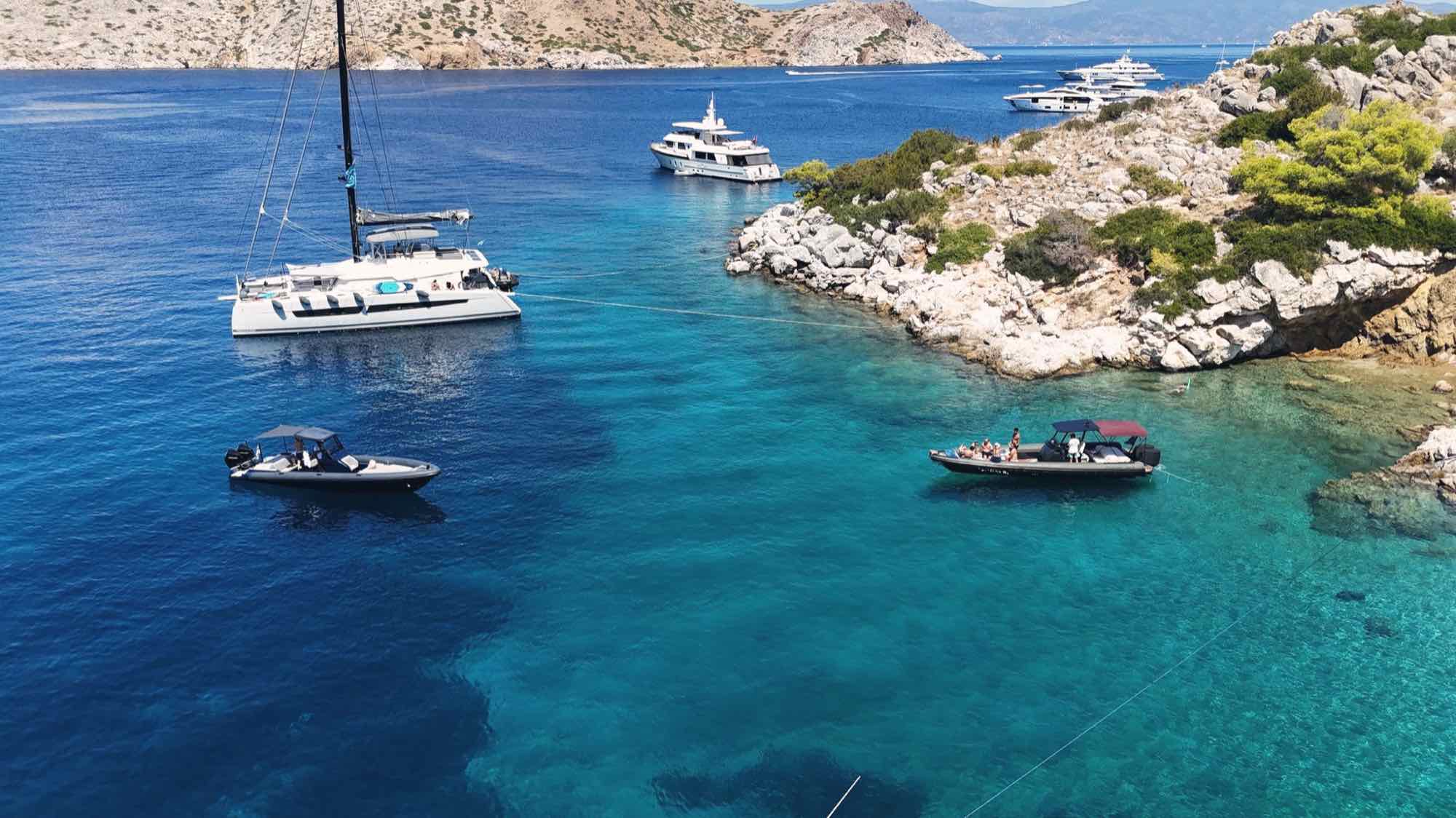
The short answer first. The best time to visit the Greek islands is from late May to June, and again from September to early October. The sea is warm enough to swim, the light is soft, and the harbours have room to breathe.
The longer answer depends on what you want from the trip. A honeymoon, a sailing week and a family holiday each have their own perfect month, and the islands themselves differ more than people expect. Here is how the year unfolds, month by month, and how we plan around it.
The best time to visit the Greek islands, month by month
A rough guide to how each month feels. Sea temperatures are approximate and vary by island and by year; the Ionian and the southern Aegean tend to run a little warmer than the northern Cyclades.
| Month | Weather | Sea | Crowds | Our verdict |
|---|---|---|---|---|
| April | Fresh and green, warm in the sun, cool at night | Around 16–17°C | Very quiet | Lovely for walking, too cool for most swimmers |
| May | Warm days, wild flowers, long evenings | Around 19–20°C | Quiet | Excellent, especially late in the month |
| June | Hot but rarely oppressive, the longest days | Around 22–23°C | Building | One of the best months of the year |
| July | Hot, dry, often windy in the Cyclades | Around 24°C | Busy | Good with careful planning |
| August | The hottest month, with the strongest meltemi | Around 24–25°C | Peak | Our least favourite, unless you plan around it |
| September | Warm and settled, with golden light | Around 24–25°C | Easing | Our favourite month |
| October | Mild, mostly sunny, the odd shower | Around 21–23°C | Quiet | Beautiful early on, patchy by the end |
| November to March | Cool, sometimes wet and windy | Around 15–18°C | Very quiet | Athens, Crete and Rhodes only |
Spring: April to June
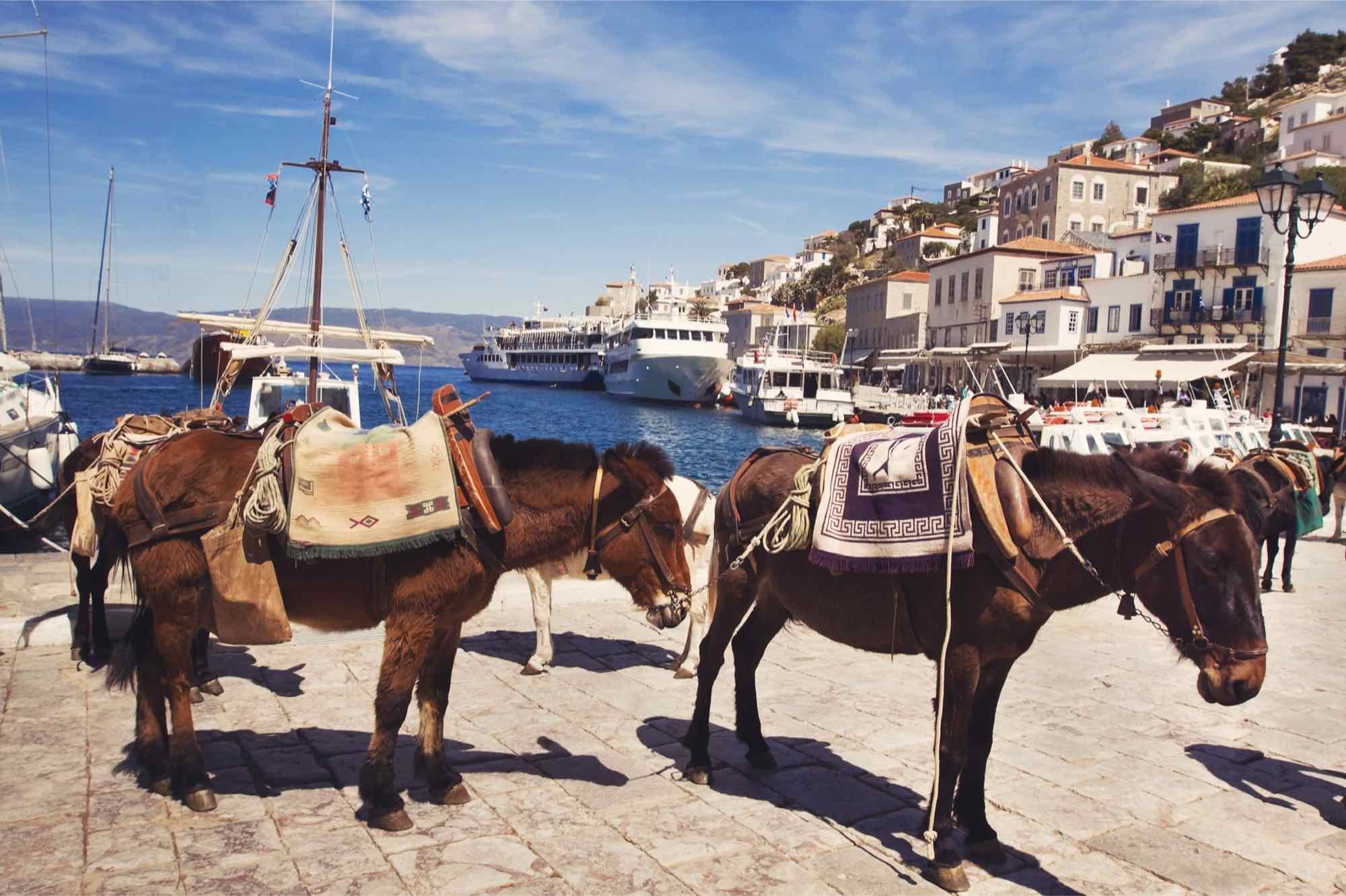
Spring is when the islands are at their prettiest. The hillsides are green for a few short weeks, the paths are lined with poppies and wild thyme, and the air smells of herbs and warm stone. It is the season for walking, for long lunches in the shade and for seeing island life before it turns its face fully towards visitors.
Orthodox Easter is a wonderful time to be in Greece, with candlelit processions, church bells at midnight and lamb roasting on every spit the following day. The date moves each year, usually falling in April and occasionally in early May, so it is worth checking before you plan around it.
Timing matters in spring. Many island hotels open from around late April or May, and smaller islands can feel half-awake until the middle of May. Greece in May is our sweet spot for travellers who want warmth without heat: the sea is bracing but swimmable, at around 19–20°C. By Greece in June everything is open, the evenings stretch past nine o’clock and the water has warmed nicely, yet the crowds of high summer are still a few weeks away.
Peak summer: July and August
High summer is hot, bright and busy. Temperatures regularly reach the mid-thirties, ferries fill up, and the most famous islands feel very full indeed, particularly in the first three weeks of August, when much of Greece and Europe is on holiday.
In the Cyclades, July and August also bring the meltemi, a strong, dry northerly wind that can blow for days at a time. It is a mixed blessing. It keeps the islands cooler and the skies a clean, sharp blue, but it can make sea crossings choppy and small-boat days uncomfortable, and now and then ferries are delayed or cancelled.
Summer can still be glorious if you plan it well. This is how we usually approach it:
- Choose sheltered islands. The Saronic islands, such as Hydra and Spetses, and the Ionian islands to the west are far less exposed to the meltemi. Our Spetses and Hydra guide explains why we love them in July.
- Look beyond the obvious. Some of the loveliest islands are a short hop from the busiest ones. We have gathered our favourites in alternatives to Santorini and Mykonos.
- Live by Greek hours. Swim early, rest through the heat of the afternoon and eat late, as everyone else on the island does.
- Take to the water privately. A private boat for the day lets you reach quiet coves and swim far from the busy beaches.
September: our favourite month
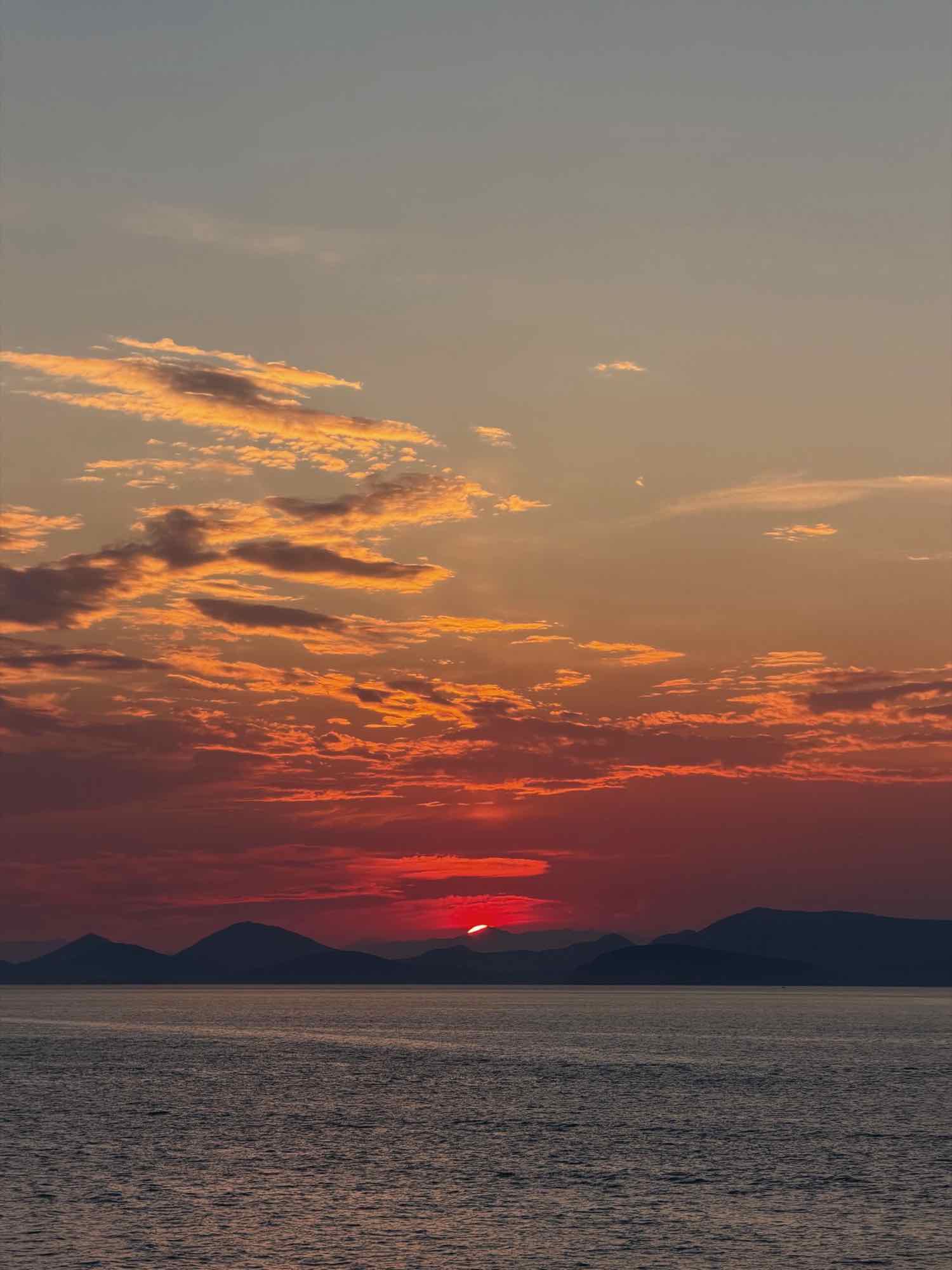
If we could choose only one month, it would be September. The sea has spent all summer warming and is often at its best, around 24–25°C. The meltemi usually eases, the summer crowds thin out after the first week or so, and the light turns low and golden in a way that makes every harbour look painted.
It is also harvest season. On many islands and across the mainland, grapes are picked and pressed, figs are ripe on the trees and tavernas lean into the last of the summer produce. For anyone who cares about food and wine, Greece in September is hard to better.
Days are still long enough for a full day on the water, and evenings are warm enough to dine outside without a second thought.
October: the quiet season
The Greek islands in October are underrated. The sea holds much of its summer warmth, usually around 21–23°C early in the month, and the days are mild and mostly sunny. Beaches are quiet, villages return to their own rhythm, and walking becomes a pleasure again.
The catch is that the season is winding down. Some hotels, restaurants and beach clubs begin closing in the latter part of the month, and ferry timetables thin out. The first half of October is usually lovely; the second half is better suited to the larger islands, where more stays open.
Winter: November to March
Most small-island hotels close for the winter, along with many of the restaurants and boat services that make the islands work. The weather can be grey and blustery, and the sea is too cool for most.
That does not mean Greece is closed. Athens is at its best for museums and long city lunches in winter, and larger islands such as Crete and Rhodes stay open all year, with towns that have a life of their own beyond tourism. It is a different, quieter Greece, and well worth knowing.
Best time by type of trip
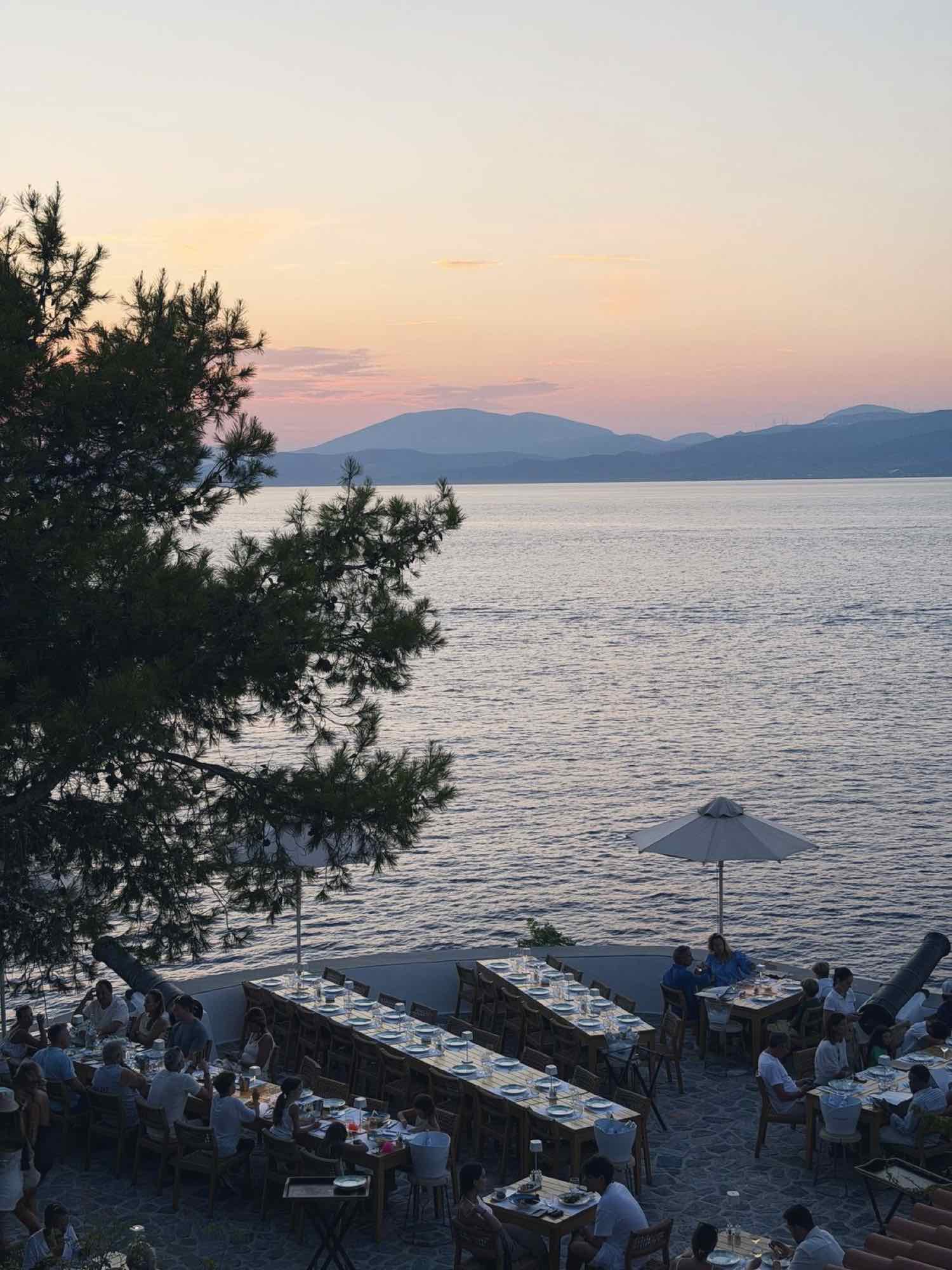
- Honeymoon: June or September, for warm seas, long evenings and room to yourselves.
- Families: June, or the first half of September before school returns where you can, with the Saronic and Ionian islands for calmer water.
- Food and wine: September, for the harvest, or May, when the markets are full of spring produce.
- Sailing: June and September. Experienced sailors may enjoy the meltemi; everyone else will prefer the Ionian or Saronic in high summer.
- Peace and quiet: May or early October, when the islands feel most like themselves.
How we would plan it
The right month is only half the answer. The other half is choosing islands that suit that month, and putting them together so the ferries, the wind and the crowds work in your favour. A week in the Saronic islands in July is a very different proposition to a week in the Cyclades, and a late-season trip needs hotels that will still be open when you arrive.
This is exactly what we do. Tell us when you can travel and how you like to spend your days, and we will shape a Greek island journey around the best of that season.
Frequently asked questions
What is the best month to visit the Greek islands?
September is our favourite, with the warmest sea of the year, softer light and fewer crowds than August. Late May and June are equally good if you prefer greener landscapes and longer days.
Is the sea warm enough to swim in Greece in May?
For most people, yes, though it is refreshing rather than warm. Sea temperatures in May are usually around 19–20°C, rising steadily towards June.
When is the meltemi wind in Greece?
The meltemi blows mainly in July and August, and is strongest in the Cyclades. The Saronic and Ionian islands are much more sheltered from it.
Are the Greek islands still open in October?
Most are open through early October, but some hotels, restaurants and boat services begin closing later in the month. Larger islands such as Crete and Rhodes keep more open for longer.
Is it worth visiting the Greek islands in winter?
Most small-island hotels close from November to March, so winter is best for Athens and the larger islands, such as Crete and Rhodes. It is a quieter, more local Greece, but not a beach holiday.